Reemplazando un trailer turntable bearing is a precise job that requires the proper tools and a safe working environment. The process is a bit more involved than replacing a standard wheel bearing because the turntable bearing is a large, flat slewing ring bolted to both the trailer’s A-frame and its chassis.

Trailer Turntable Bearing Replacement

trailer turntable bearing

Seguridad ante todo

Secure the Trailer: Before you begin, you must ensure the trailer is stable. Use a jack to lift the trailer and then place it on jack stands to prevent it from moving or falling.

Prevent Movement: Block the wheels to ensure the trailer cannot roll in either direction.

Parte 1: Diagnosis & Preparación

Symptoms of a Failing Turntable Bearing:

Antes de empezar, confirm the bearing needs replacement. Common signs include:

Grinding or Popping Noises: Especially when turning the trailer (p.ej., in a yard).

Excessive Play or Sloppiness: If you can rock the front of the trailer side-to-side more than a tiny amount, the bearing is worn.

Binding or Stiff Turning: The turntable feelsnotchyor is difficult to rotate.

Metal Shavings: Finding metal flakes around the turntable seals is a sure sign of internal failure.

Uneven Wear on Tires: A failing turntable can affect alignment and tire wear on the dolly or tractor.

Tools and Parts Needed:

Heavy Equipment:

Overhead crane, heavy-duty forklift with lifting rig, or multiple high-capacity (20+ tonelada) hydraulic jacks and certified heavy-duty support stands.

Impact wrench (1″ drive is recommended for stubborn bolts).

Large torque wrench capable of reaching 500+ ft-lbs (check manufacturer specs).

Hand Tools & Supplies:

Complete socket and wrench set (large sizes).

Long breaker bars and pry bars.

More detailed information on how to replace the trailer turntable bearing can be found at: https://www.mcslewingbearings.com/a/news/trailer-turntable-bearing-replacement.html

Lubricating a trailer turntable bearing is a critical part of a trailer’s regular maintenance schedule. Proper lubrication ensures the bearing operates smoothly, reduces friction and wear, and prevents corrosion, ultimately extending its lifespan and maintaining the safety of the trailer.

Trailer Turntable Bearing Lubrication Guide

trailer turntable bearing

Here is a general guide to lubricating a trailer turntable bearing. Always refer to the manufacturer’s specific instructions and recommendations, as procedures and lubrication requirements can vary by model.

1. Understand the Type of Bearing and Lubricant

Turntable Bearings vs. Wheel Bearings: Be aware that the lubrication process for a turntable bearing is different from that for wheel bearings. While both require grease, the application and frequency are distinct.

Lubricant Specification: Most trailer turntable bearings require a high-quality, lithium-saponified grease. A common and effective choice is an NLGI class 2 grasa. Some manufacturers, like JOST, specify their own high-performance lubricants. Always check the manufacturer’s manual for the correct type of grease.

Low-MaintenanceTurntables: Some modern turntable models are designed to below-maintenanceand may not require lubrication for a much longer period (p.ej., up to three years or 300,000 km). These are often distinguished by specific markings, such as a green type plate or a “W.” in the item number. After this period, they should be serviced like standard turntables.

2. Lubrication Procedure

Locate the Grease Nipples: Turntable bearings have multiple grease nipples (also known as zerk fittings) located around the circumference of the bearing. These are the points where you will inject the grease. Some models have a centralized lubrication manifold to make the process easier.

Attach Grease Gun: Connect a grease gun with the specified grease to the first grease nipple.

Start Pumping and Rotate: As you begin to pump the grease, slowly rotate the trailer’s A-frame or the turntable itself. This is crucial for distributing the grease evenly throughout the ball race and creating a completecollarof grease.

Observe for Old Grease: Continue pumping until you see fresh grease extruding from the gap between the two rings of the turntable. This indicates that the old, potentially contaminated grease has been flushed out and replaced with new, clean grease.

Clean Excess Grease: Wipe away any excess grease that comes out. While the grease collar is important for sealing the bearing against dirt and water, you don’t want a thick, sticky layer on the outside that will attract more grime.

More detailed information on trailer turntable bearing lubrication guide can be found at:https://www.mcslewingbearings.com/a/news/trailer-turntable-bearing-lubrication-guide.html

Cojinetes para plataforma giratoria de remolque, also known as fifth-wheel bearings, are critical components for the safe and smooth operation of a trailer. Proper maintenance is essential to prevent costly repairs and ensure longevity. Neglecting its maintenance can lead to premature failure, reparaciones costosas, vehicle downtime, and severe safety hazards.

Trailer Turntable Bearing Maintenance Tips

Trailer Turntable Bearings

1. Inspección regular:

Visually inspect the bearing for any signs of damage, como grietas, óxido, o desgaste excesivo.

Check for proper lubrication. The bearing should have a consistent, healthy layer of grease.

Listen for unusual noises during turns or when the trailer is in motion, as this can indicate a lack of lubrication or a failing bearing.

2. Lubricación adecuada:

Grease Type: Use a high-quality, lithium-based or marine-grade grease specifically designed for heavy-duty applications.

Frecuencia: Lubrication frequency depends on the usage and environmental conditions. As a general rule, re-grease the turntable every 10,000 a 20,000 miles, or at least every six months. For trailers used in harsh conditions (p.ej., off-road, frequent exposure to water or dust), more frequent lubrication is necessary.

Aplicación: Use a grease gun to apply fresh grease until the old, contaminated grease is pushed out. Ensure the grease is evenly distributed throughout the bearing.

3. Limpieza:

Before re-greasing, it is often a good practice to clean the bearing to remove old, contaminated grease and any debris.

For more detailed information on trailer turntable bearing maintenance tips, por favor haga clic aquí: https://www.mcslewingbearings.com/a/news/trailer-turntable-bearing-maintenance-tips.html

Instalación de un trailer turntable bearing correctly is a critical process that ensures the safety and longevity of your trailer. It’s a complex task that requires attention to detail and following the manufacturer’s specific instructions. Sin embargo, there are some general best practices that apply to most installations.

Trailer Turntable Bearing Installation

Trailer Turntable Bearing

1. Preparation and Inspection

Inspect the mounting surface: Before you begin, the mounting surface on both the A-frame and the trailer chassis must be completely flat, rigid, and free of any debris, rebabas, or paint thicker than 50 mm. Any unevenness (max. 1 mm) can be corrected with shims or plastic metal.

Check the bearing: Ensure the new bearing is the correct type and size for your trailer and that it’s in good condition. The bearing may have asoft zonemarked with anS.This soft zone should be positioned in a non-load or non-constant load area during installation.

Gather your tools: You’ll need high-tensile bolts (grade 8.8 o superior), a torque wrench, and potentially a special tool for pressing in cups or seals, depending on the bearing type.

2. Mounting the Bearing

Never weld the bearing: The turntable bearing itself should never be welded to the trailer frame or A-frame. Welding can damage the bearing and compromise its integrity.

Posicionamiento: The lower ring of the turntable is typically bolted to the A-frame, and the upper ring is bolted to the trailer chassis.

Bolting: Use a minimum of 8 high-tensile bolts per flange. For smaller bearings, 4 a 6 bolts may be sufficient. The mounting bolts should be tightened in a crosswise pattern to ensure even pressure.

Torque: Tighten the bolts to the manufacturer’s specified torque. The pre-tensioning force on the bolts should be approximately 70% of the bolt material’s yield limit. Using a leveling washer is recommended, and spring washers should be avoided.

Shear load: To relieve shear load on the mounting bolts, it’s recommended to weld at least four blocks immediately next to each flange.

Trailer Turntable Bearing

3. Lubricación

Prelubricación: Many new turntable bearings are supplied with a base coating of lubricant, but they must be thoroughly re-lubricated before the trailer is put into operation for the first time.

Grease type: Use a high-quality ball bearing grease, typically a lithium-saponified grease of NLGI class 2.

For more detailed information on how to correctly install the trailer turntable bearing, por favor haga clic aquí: https://www.mcslewingbearings.com/a/news/trailer-turntable-bearing-installation.html

Choosing a suitable línea de producción de soldadura de la torre de viento is a complex process that depends on several key factors related to your production requirements, financial constraints, and site-specific conditions. The primary goal is to find a system that maximizes efficiency and quality while being cost-effective.

Wind Tower Welding Production Line Selection

wind tower welding production line

Fase 1: Foundational Analysis & Defining Your Requirements

Before you even look at a single piece of equipment, you must clearly define your operational needs.

1. Capacidad de producción & Takt Time

Target Output: How many towers (or tower sections/cans) do you need to produce per week, mes, o año? This is the single most important factor.

Takt Time: Calculate the maximum time allowed to produce one unit to meet demand. This will determine the required welding speed and level of automation.

Shift Patterns: How many shifts will you run per day? A two-shift operation needs a more robust and faster line than a single-shift operation for the same annual output.

2. Especificaciones de la torre (Actual & Future)

Diameter Range: What is the minimum and maximum diameter of the tower sections you will produce? This dictates the size of your rolling machines and turning rolls.

Plate Thickness Range: What are the minimum and maximum steel plate thicknesses? This determines the required power of the welding sources, the choice of welding process (p.ej., single-wire SAW vs. tandem or multi-wire SAW), and the power of the plate rolling machine.

Longitud de la sección: What is the standard length of a single “lata” or section? This influences the length of the welding manipulators and the workshop layout.

tipo de material: What grade of steel will you be using (p.ej., S355, S460)? Different materials have different welding requirements.

Future Trends: Are towers getting taller, thicker, or using higher-strength steel? Plan for the future. Buying a line that is maxed out on day one is a poor investment. Consider a 5-10 year outlook.

3. Diseño del taller & Logística

Espacio disponible: Map out your facility. Consider the footprint of the entire line, including space for plate storage, work-in-progress (WIP), and finished section storage.

Ceiling Height & Crane Capacity: Do your overhead cranes have sufficient height and lifting capacity to handle the largest and heaviest tower sections? This is a frequent bottleneck.

Flujo de material: Diseñar una lógica, linear flow from raw plate delivery to finished section painting and shipping to minimize handling time and costs.

4. Desired Level of Automation

Máquina de tubos de papel HT120-IA: Operator-intensive, suitable for very low volume or custom work. Not recommended for modern tower production.

Semi-Automated: A mix of automated welding processes with manual setup and positioning. A common and flexible choice.

Fully Automated: Integrated systems with CNC control, automated material transfer, laser seam tracking, and data logging. Higher initial cost but delivers the best consistency, velocidad, and lowest labor cost per unit.

wind tower welding production line

Fase 2: Key Equipment Stations & Selection Criteria

A typical wind tower production line is a series of specialized stations. Here’s what to look for in each.

1. Plate Preparation Station

Función: Cutting plates to size and creating the weld bevels (V, X, or U grooves).

Key Equipment: CNC Plasma/Oxy-fuel Cutting Machine with a milling or plasma beveling head.

Selection Criteria:

Precisión: High-precision cutting is essential for good fit-up and weld quality.

Beveling Capability: The ability to create accurate, consistent bevels in a single pass saves enormous time.

Table Size: Must accommodate your largest plates.

2. Plate Rolling Machine

Función: Forming the flat plates into cylindrical or conical “latas.”

Key Equipment: 4-Roll Plate Bending Machine.

Selection Criteria:

Capacidad: Must be rated for your maximum plate thickness and width.

4-Roll vs. 3-Roll: A 4-roll machine is superior for tower production. It allows pre-bending of the plate ends, minimizing the flat-end section and requiring less follow-up work.

For more detailed information on how to choose a suitable wind turbine tower welding production line, por favor haga clic aquí: https://www.bota-weld.com/en/a/news/wind-tower-welding-production-line-selection.html

Realizar el mantenimiento diario en un línea de producción de soldadura de la torre de viento es crítico para garantizar la seguridad, calidad de soldadura, longevidad del equipo, y maximizar el tiempo de actividad. Un desglose puede detener todo el proceso de producción, que es increíblemente costoso.

Principios básicos del mantenimiento diario

Seguridad ante todo, Siempre: Todas las actividades de mantenimiento deben comenzar con la seguridad. Esto incluye el uso de equipos de protección personal adecuados (EPP) y estrictamente siguiendo el bloqueo/etiqueta (Corazón) Procedimientos para cualquier tarea que involucre la liberación de energía potencial.

Participación del operador: Los operadores de la máquina son la primera línea de defensa. Entrenarlos para realizar estos controles diarios como parte de su rutina de preportaciones. Están más familiarizados con los sonidos y operaciones normales de su equipo..

La limpieza es clave: Un área de trabajo limpia y un equipo limpio facilitan detectar fugas, grietas, u otros problemas potenciales.

Consistencia y documentación: Realice estos cheques a la misma hora todos los días (p.ej., Al comienzo del primer turno). Use una lista de verificación (Digital o Paper) Para registrar los hallazgos, Seguimiento de problemas, y asegúrese de que no se pierda nada.

Lista de verificación de mantenimiento diario para una línea de soldadura de torre de viento

wind tower welding production line

Esta lista de verificación está desglosada por los componentes principales de una línea de producción típica, que a menudo usa soldadura por arco sumergido (SIERRA) para las principales costuras longitudinales y circunferenciales.

Parte 1: Caminata por el área previa al cambio (5-10 Minutos)

Esta es una inspección visual de alto nivel antes de comenzar cualquier equipo..

Limpieza general:

El piso está libre de obstáculos, Peligros de viaje, y derrames (especialmente aceite o grasa).

Todos los guardias de seguridad, barrera, y las paradas de emergencia están en su lugar y sin obstáculos.

Iluminación adecuada en todas las áreas de trabajo.

Para obtener información más detallada sobre el mantenimiento diario de la línea de producción de soldadura de la torre de viento, por favor haga clic aquí: https://www.bota-weld.com/en/a/news/daily-maintenance-of-wind-tower-welding-production-line.html

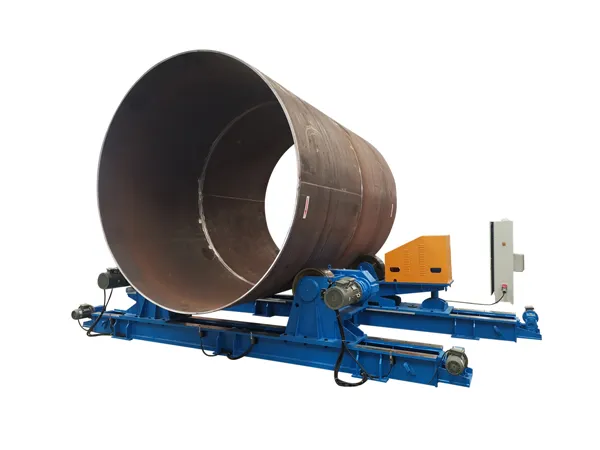
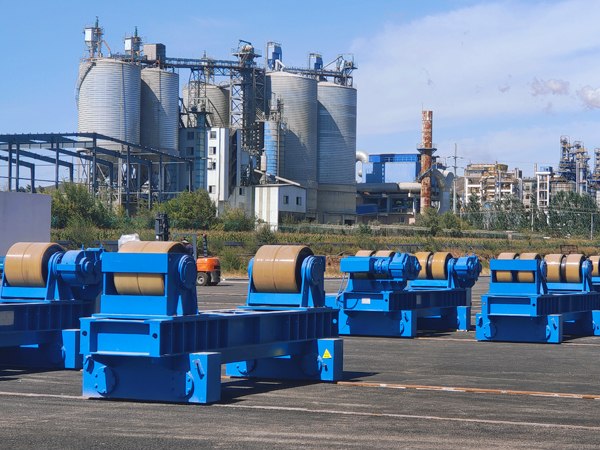
Rotadores de soldadura Son equipos esenciales en industrias como la fabricación de recipientes a presión., soldadura de tubos, y fabricación de tanques. Ayudan a rotar suavemente las piezas cilíndricas., Garantizar una calidad de soldadura constante y mejorar la eficiencia.. Sin embargo, como cualquier maquina industrial, En ocasiones, es posible que un rotador de soldadura no gire., causando retrasos en la producción.

El rotador de soldadura no gira y solución de problemas

Welding rotator

Comprobaciones iniciales (Las cosas simples)

Comience con los problemas más comunes y fáciles de solucionar antes de comenzar a desarmar las cosas..

Parada de emergencia (Molestar): ¿Está presionado el botón rojo de parada de emergencia?? Esta es la razón más común por la que una máquina no arranca.. Gíralo y sácalo para restablecerlo..

Sobrecarga: ¿La pieza de trabajo es demasiado pesada para la capacidad nominal del rotador?? Un motor sobrecargado puede disparar un protector interno o simplemente no tener suficiente torque para arrancar..

Obstrucción Física: ¿Hay algo que bloquee físicamente las ruedas?, la pieza de trabajo, o la cadena de transmisión/engranajes? Busque herramientas caídas, abrazadera, escombros, o salpicaduras de soldadura que podrían estar atascando el mecanismo.

Posición de la pieza de trabajo: ¿Está la pieza de trabajo centrada y equilibrada correctamente sobre las ruedas del rotador?? Una carga descentrada puede crear demasiada resistencia.

Guía sistemática de solución de problemas

Si las comprobaciones iniciales no resuelven el problema, sigue este proceso paso a paso. Es posible que necesites un multímetro para algunos de estos pasos..

Paso 1: Verifique la fuente de alimentación

Fuente de energía: Verifique el disyuntor o fusible en el panel eléctrico de su taller que suministra energía al rotador.. ¿Se ha tropezado??

Potencia de la máquina: Verifique el interruptor de alimentación principal en el propio rotador..

Cables y enchufes: Inspeccione toda la longitud del cable de alimentación en busca de cortes., aplastante, o daño. Revise el enchufe en busca de clavijas dobladas o quemadas..

Verificación de voltaje (Utilice un multímetro):

Verifique de forma segura el voltaje correcto (p.ej., 110V, 220V, 480V trifásico) en el tomacorriente de la pared.

Si estas calificado, Abra la caja de control principal de la máquina. (con energía apagada), luego, vuelva a encender con cuidado la alimentación y verifique que el voltaje sea correcto en los terminales de entrada.. (Advertencia: Haga esto solo si está capacitado y se siente cómodo trabajando con electricidad activa.).

Verifique el sistema de control

El problema a menudo radica entre que usted presiona el botón y el motor recibe la señal..

Colgante / Mando a distancia: Este es un punto de falla muy común..

Conexión: ¿Está el colgante conectado firmemente a la unidad principal??

Cable: Inspeccione el cable colgante en busca de daños.. Puede ser atropellado, aplastado, o cortar.

Botones: ¿Funcionan físicamente los botones de avance/retroceso/velocidad?? A veces se atascan o se rompen internamente..

Potenciómetro de velocidad (Marcar): Asegúrese de que el marcado rápido no esté configurado en cero. Intenta subirlo. A veces estos diales fallan y pierden contacto..

Para obtener información más detallada sobre qué hacer si el rotador de soldadura no gira y solución de problemas, por favor haga clic aquí: https://www.bota-weld.com/en/a/news/welding-rotator-not-turning-and-troubleshooting.html

¿Está preparándose para instalar un nuevo máquina de soldadura de pórtico? Una instalación adecuada es crucial para garantizar el rendimiento de la máquina., seguridad, y longevidad. Esta guía completa lo guiará paso a paso a través de todo el proceso de instalación de la máquina de soldadura Gantry., proporcionándole la información esencial que necesita para que su máquina esté en funcionamiento sin problemas.

Una máquina de soldar de pórtico, A menudo se utiliza para fabricación de alta resistencia., requiere una configuración precisa y meticulosa. Saltarse pasos o hacer suposiciones puede generar problemas operativos y riesgos de seguridad.. Siguiendo este detallado manual de instalación de la máquina soldadora de pórtico, puede evitar errores comunes y garantizar una instalación exitosa.

Proceso de instalación de la máquina de soldadura de pórtico

gantry welding machine

Paso 1: Preparación previa a la instalación y evaluación del sitio

Incluso antes de comenzar a desembalar su máquina, la preparación adecuada del sitio es clave. Esta etapa es una parte crítica del proceso de instalación de la máquina soldadora Gantry..

Selección de ubicación: Elige un piso, las dimensiones de la cavidad, y una base sólida que pueda soportar el peso de la máquina y las piezas que se van a soldar. Asegúrese de que el área esté libre de polvo., humedad, y vibración excesiva.

Verificación de energía y servicios públicos: Confirme que la fuente de alimentación cumpla con los requisitos de la máquina.. Verificar la disponibilidad de aire comprimido y cualquier otro servicio necesario.. Este es un punto común de falla., por lo que es fundamental realizar una doble verificación.

Desembalaje e inventario: Desempaque con cuidado todos los componentes y use la lista de empaque para verificar que todas las piezas, perno, y accesorios están presentes. Informe inmediatamente al proveedor de cualquier artículo faltante o dañado..

Paso 2: Montaje de la estructura del pórtico

Aquí comienza el montaje físico. El correcto montaje del pórtico es fundamental para la estabilidad de todo el sistema..

Fundación y Base: Sujete de forma segura los rieles de la base de la máquina a la base preparada previamente utilizando pernos de anclaje.. Utilice un nivel para asegurarse de que los rieles estén perfectamente alineados y nivelados.. Cualquier desalineación aquí afectará la precisión de la soldadura..

Conjunto de viga de pórtico: Levante y coloque con cuidado la viga principal del pórtico sobre los rieles de la base.. Siga las instrucciones de la guía de instalación de la máquina de soldadura Gantry para asegurar correctamente la viga.. Esto a menudo implica apretar pernos grandes según especificaciones de torque específicas..

Para obtener información más detallada sobre el proceso de instalación de la máquina soldadora de pórtico, por favor haga clic aquí: https://www.bota-weld.com/en/a/news/gantry-welding-machine-installation-process.html

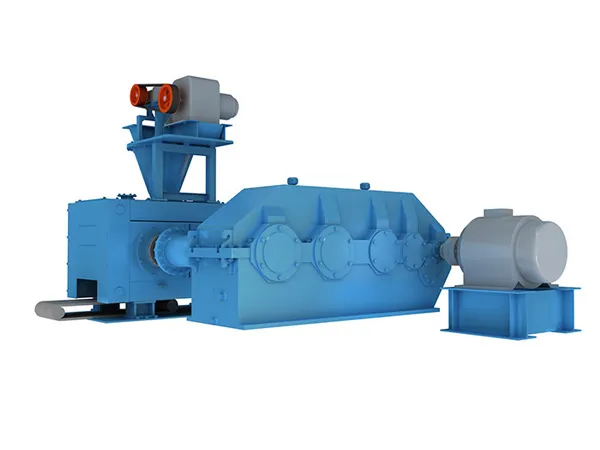
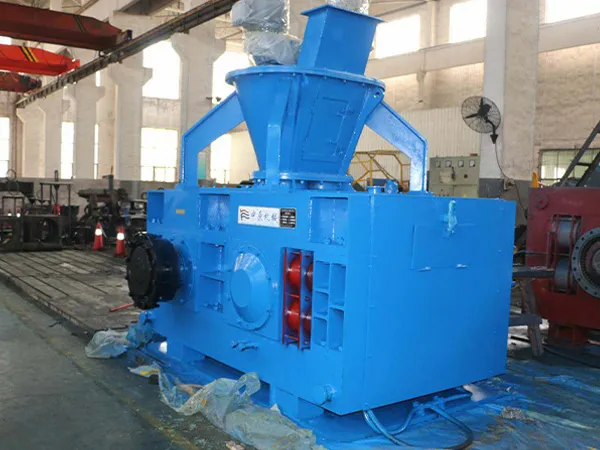
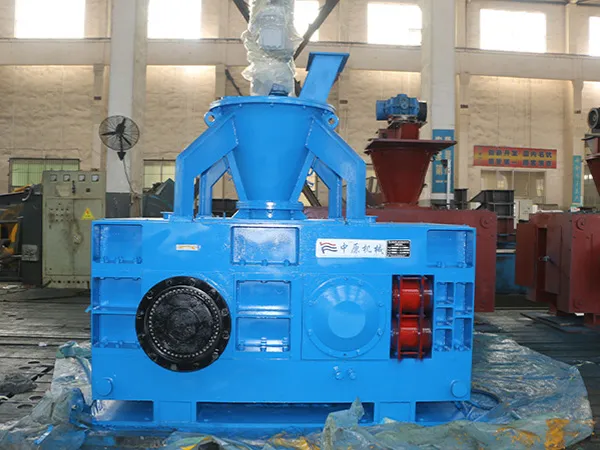
UNA máquina de hacer briquetas de carbón está diseñado para comprimir materias primas en briquetas sólidas con alta densidad y durabilidad.. Sin embargo, en producción real, Muchos usuarios encuentran que las briquetas no son lo suficientemente fuertes., Se rompe fácilmente durante el manejo., almacenamiento,o transporte. Este problema no sólo reduce la calidad del producto sino que también aumenta la pérdida de material y los costos operativos..

Razones por las que las briquetas no son fuertes

briquetting machine

Parte 1: Razones por las que las briquetas finales no son fuertes

Cuando las briquetas se desmoronan fácilmente, casi siempre es un problema con una de las tres áreas clave: la materia prima, la condición/configuración de la máquina, o el procedimiento operativo.

UNA. Problemas de materias primas (los “Ingredientes”)

Esta es la causa más frecuente de briquetas débiles..

Contenido de humedad incorrecto: Este es el #1 culpable.

demasiado mojado (>12-15%): El exceso de humedad se convierte en vapor dentro del troquel.. Este vapor crea alta presión., lo que puede provocar grietas o incluso pequeñas explosiones en la briqueta al salir de la máquina. La briqueta final será débil y tendrá una textura áspera., superficie fracturada.

Demasiado seco (<6-8%): El material no fluirá ni se compactará adecuadamente.. lignina (el aglutinante natural de la biomasa) Requiere una pequeña cantidad de humedad para plastificar y unir eficazmente.. El material demasiado seco produce una textura quebradiza., briqueta mal formada.

Rango ideal: Para la mayor parte de la biomasa (como aserrín), el contenido de humedad ideal es 8% a 12%.

Tamaño de partícula inadecuado:

Demasiado grande: Las partículas grandes crean vacíos (bolsas de aire) dentro de la briqueta, conduciendo a puntos débiles. No se compactan uniformemente, dando como resultado un producto que se rompe fácilmente.

demasiado bien (como polvo): Aunque es mejor que demasiado grande, El polvo extremadamente fino a veces puede atrapar aire y puede requerir mayor presión o proporciones de aglutinante específicas para formar una briqueta fuerte..

Tamaño Ideal: En general, las partículas deben estar debajo 5-6 mm para prensas de tornillo. Un consistente, el tamaño uniforme es clave.

Bajo contenido de lignina o falta de aglutinante:

La lignina es un polímero natural de la madera y la biomasa que se funde bajo altas temperaturas y presión., actuando como un pegamento natural. Materiales como el aserrín son ricos en lignina..

Materiales con bajo contenido de lignina (p.ej., cáscaras de arroz, algunos pastos) o materiales que no sean biomasa (p.ej., polvo de carbón, polvo de carbón) no se unirán bien por sí solos. Requieren un aglutinante externo (como el almidón, melaza, o arcilla) para ser mezclado en.

Pureza de los materiales:

Contaminantes como arena, suelo, piedras, o el metal interrumpirá el proceso de compactación, crear puntos débiles, y dañar gravemente los componentes de la máquina. (especialmente el tornillo y morir).

segundo. Problemas relacionados con la máquina (los “El equipo”)

Si tu material es perfecto, el problema está en la propia máquina.

Temperatura incorrecta:

Demasiado bajo: Si los collares calefactores del troquel no están lo suficientemente calientes, La lignina de la biomasa no se derrite correctamente.. sin esto “pegamento” siendo activado, la briqueta estará suelta y quebradiza.

Para obtener información más detallada sobre las razones por las que la máquina briquetadora no es fuerte, por favor haga clic aquí: https://www.zymining.com/en/a/news/reasons-why-briquetting-is-not-strong.html

The energy consumption of a máquina de hacer briquetas de carbón is a critical factor that directly impacts the profitability and environmental sustainability of a briquetting operation. A thorough analysis involves understanding where energy is used, what factors influence its consumption, and how it can be optimized.

Análisis del consumo de energía de las máquinas briquetadoras.

briquetting machine

1. Major Energy Consuming Components

The total energy consumption of a briquetting plant is not just the machine itself but the entire process line.

Main Press Motor: This is the primary energy consumer, typically accounting for 70-90% of the machine’s direct energy use. It powers the mechanical or hydraulic system that applies immense pressure to the raw material.

Mechanical Piston Press: The motor drives a flywheel, which provides the high-impact force for compression. It has high peak power draws.

Screw Press (Extruder): The motor provides continuous high torque to turn the screw that forces material through the die.

Prensa hidráulica: The motor runs a hydraulic pump to build up fluid pressure, which then drives the compression ram.

Sistema de calefacción (for Screw Presses): Screw presses require an external heating system (heating collars/bands) to raise the temperature of the die to 280-380°C (530-715°F). This heat melts the lignin in the biomass, which acts as a natural binder. The heaters represent a significant and constant energy draw, often 15-25% of the machine’s total consumption.

Ancillary and Pre-Processing Equipment: This is a crucial and often underestimated part of the total energy footprint.

Dryer: If the raw material’s moisture content is too high (>12%), a dryer is needed. Drying is often the single most energy-intensive process in the entire plant, sometimes consuming more energy than the briquetting machine itself.

Crusher / Hammer Mill: Reduces the size of the raw material to a suitable, tamaño de partícula uniforme (p.ej., 3-5 mm). This requires a powerful motor.

Conveyors and Feeders: Screw conveyors, transportadores de correa, and feeding mechanisms use smaller motors but run continuously, contributing to the overall load.

Control Panel and Automation: The PLC, sensors, and other electronics consume a relatively small amount of power but are essential for operation.

More detailed information about briquetting machine energy consumption analysis can be found here: https://www.zymining.com/en/a/news/energy-consumption-analysis-of-briquetting-machines.html