Customizing Печатные алюминиевые листы is a fantastic way to create durable, Высокоэффективные визуальные эффекты для всего, от архитектурных панелей и вывесок до изобразительного искусства и индивидуальных продуктов. Вот полное руководство о том, как это сделать, разбитый в методы, Пошаговый процесс, и ключевые соображения дизайна.

Customized Printed Aluminum Sheet Patterns

printed aluminum sheet

Understanding the Printing Methods

The first step is to choose the right printing technology for your project, as each has its own strengths in terms of durability, появление, and cost.

1. Dye Sublimation (Most Popular for Fine Art & Photos)

This method produces stunning, photo-realistic results with incredible depth and vibrancy.

How it Works: Your design is printed onto special transfer paper with sublimation inks. The paper is then placed on a polymer-coated aluminum sheet and subjected to high heat and pressure. The ink turns into a gas and permeates the coating, becoming a permanent part of the surface.

Плюс:

Exceptional photographic quality with continuous tones.

Highly durable, scratch-resistant, and easy to clean.

The image is in the surface, not on top of it.

Минусы:

Requires specially coated aluminum sheets.

Standard inks can fade with prolonged, direct UV exposure (though UV-resistant options are available).

Лучше всего для: Fine art prints, high-end photography, interior signage, декоративные панели, and custom backsplashes.

2. UV Direct Printing (Most Versatile)

This is a robust method where a flatbed printer applies ink directly onto the aluminum surface.
How it Works: The printer jets UV-curable ink directly onto the aluminum. A powerful UV light follows the print head, instantly curing (сушка) the ink, making it hard and durable.

For more detailed information on how to customize printed aluminum plate patterns, пожалуйста, нажмите здесь:https://www.dw-al.com/a/news/customized-printed-aluminum-sheet-patterns.html

Fading of a Печатный алюминиевый лист is a common problem, Специально для отпечатков, подвергшихся воздействию солнечного света или суровых условий окружающей среды. Увядание в первую очередь вызвано ультрафиолетом (ультрафиолетовый) свет разрушает пигменты в чернилах или красителях. Конкретная причина и потенциальные решения зависят от метода печати, используемого на алюминие..

Common Printing Methods on Aluminum

printed-aluminum-sheet

Dye-Sublimation: This is a popular method for high-quality metal prints. Dyes are infused directly into a special polymer coating on the aluminum sheet using heat and pressure. This process makes the print highly resistant to fading and scratches.

Direct-to-Substrate Printing (Ультрафиолетовая печать): In this method, UV-cured inks are printed directly onto the aluminum surface. The ink sits on top of the aluminum rather than being infused into it.

Anodized Aluminum Printing: The image isprintedby creating a durable, sealed image within the porous, anodized surface of the aluminum.

What to Do If Your Printed Aluminum Sheet Fades

Unfortunately, once a printed aluminum sheet has faded, it’s very difficult to restore the original colors. The color pigments have been chemically altered by UV exposure, and there is no simple way to reverse this process.

Однако, you have a few options depending on the situation:

Replace the Print: This is often the most straightforward solution, especially for decorative pieces. If the print has faded significantly, the best way to regain the vibrant colors is to have a new sheet printed.

Repaint or Recoat (for non-photo prints): If the fading is on a sign, a piece of industrial equipment, or a painted surface (not a photographic print), you may be able to restore it.

Clean and Prep: Thoroughly clean the surface to remove dirt and oxidation.

Restore with a Clear Coat: Products like Everbrite Coating are specifically designed to restore the color and luster of faded, painted, or powder-coated metal surfaces. These are clear coatings with UV blockers that make the surface look new and protect it from further fading.

Repaint: If the fading is severe or the paint is flaking, you may need to sand the surface, apply a self-etching primer, and then repaint it. This is a more involved process.

Repair Minor Damage: Для маленьких, chipped areas, you might be able to use a paint pen or a Sharpie to color in the spot. This won’t be a perfect fix, but it can make the damage less noticeable from a distance.

Polish (for brushed or non-printed areas): If the fading is due to a dull, oxidized surface rather than the print itself, you can try a gentle polish by hand to remove grime and restore the luster. Be extremely careful not to polish over any printed text or images, as this can remove the print entirely.

printed aluminum sheet

How to Prevent Fading in the Future

Prevention is the most effective strategy. Here’s what you can do to protect your new or existing aluminum prints:

Limit UV Exposure: The primary cause of fading is direct sunlight. Если возможно, avoid hanging the print in a location that receives direct, prolonged sun exposure.

For more detailed information on what to do if the printed aluminum plate fades, пожалуйста, нажмите здесь:https://www.dw-al.com/a/news/what-to-do-if-printed-aluminum-sheet-fade.html

Цена алюминиевый лист с покрытием can vary significantly due to a number of factors. На основании доступных данных, Цена за квадратный метр может варьироваться от приблизительно $20 пережить $1000 Доллар США в зависимости от спецификаций.

Price Range Per Square Meter for Coated Aluminum Sheets

coated aluminum sheet

Economy (PE Covert, тоньше толщины, стандартные цвета): Примерно **$15 – $30** per square meter

Mid-range (PVDF coating, medium thickness, common colors): Примерно **$30 – $50** per square meter

High-end (PVDF triple coating or nano-coating, thicker, special colors or custom sizes): May exceed **$50** per square meter

Key Factors Affecting the Price of Coated Aluminum Sheets

1. Thickness of Aluminum Sheet

This is the most direct factor affecting price. The thicker the aluminum sheet, the more raw materials required, and the higher the price. Например, a 0.3mm-thick coated aluminum sheet of the same size and coating will be significantly cheaper than a 2.0mm-thick one. При выборе, determine the required thickness based on your application scenario (например, interior decoration, exterior curtain walls, вывески, п.).

2. Тип покрытия

The coating is one of the core values of coated aluminum sheets, determining the material’s weather resistance, стабильность цвета, и эстетическая привлекательность. Different types of coatings vary significantly in price:

Полиэстер (Финиш) Покрытие: This is the most common coating, offering good value for money and suitable for indoor use or outdoor environments with low weather resistance requirements.

Флюорокарбон (PVDF) Покрытие: Offers exceptional weather resistance and UV protection, with long-lasting color, making it the preferred choice for outdoor building facades. PVDF-coated aluminum panels typically cost more than PE-coated ones.

Nano-PVDF Coating: Adds self-cleaning functionality to PVDF, resulting in a higher price.

Other Special Coatings: Such as antimicrobial coatings, fire-resistant coatings, п. These special-function coatings also increase the price.

coated aluminum sheet

3. Coating Process & Brand

Coating Methods: Common methods include roll coating and spray coating. Roll coating is more efficient and cost-effective, while spray coating can achieve more complex shapes and details.

For more detailed information about the price of color-coated aluminum sheets per square meter, пожалуйста, нажмите здесь:https://www.dw-al.com/a/news/coated-aluminum-sheet-price-per-square-meter.html


The coating process of алюминиевый лист, also known as coil coating, is a multi-step, continuous process that is highly automated to ensure a uniform and durable finish. The primary goal is to apply a protective and/or decorative layer to the aluminum, enhancing its corrosion resistance, долговечность, и эстетическая привлекательность.

Coated Aluminum Sheet Coating Process

Coated Aluminum Sheet

While the specific steps and technologies may vary between manufacturers and coating types (например, порошковое покрытие, PVDF, п.), the general process typically includes the following stages:

1. Подготовка поверхности (Предварительная обработка):

This is a crucial step that ensures the coating will adhere properly to the aluminum surface. It involves:

Уборка: The aluminum coil is thoroughly cleaned to remove any contaminants like oil, жир, или грязь. This is often done using alkaline cleaners and rinses.

Chemical Treatment: A chemical conversion coating is applied to the aluminum surface. This creates a thin, protective film that improves the adhesion of the paint and provides an additional layer of corrosion resistance. This is often a chrome-free or zirconium-based treatment.

For more detailed information about the coating process of coated aluminum sheet, пожалуйста, нажмите здесь:https://www.dw-al.com/a/news/coated-aluminum-sheet-coating-process.html

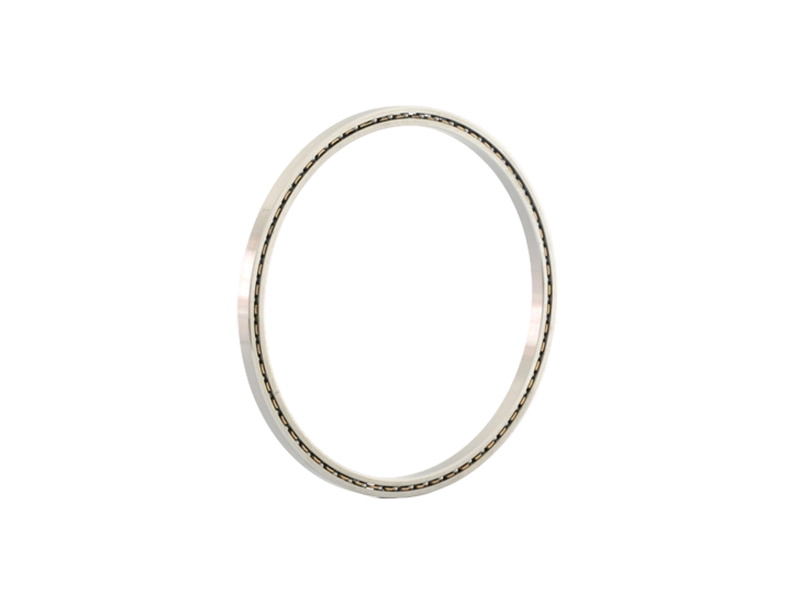
Прецизионные скрещенные роликоподшипники are designed for high rigidity, точность, and load-carrying capacity in a compact space, not for high speed. Their speed capability is generally considered low to moderate compared to other bearing types like deep groove or angular contact ball bearings.

A typical speed for a medium-sized (например, 100-200mm bore) crossed roller bearing under standard grease lubrication might be in the range of 500 Для 2,000 об/мин. Однако, this is a very rough estimate, and the actual permissible speed can be significantly higher or lower depending on numerous factors.

The most accurate way to define bearing speed is with a speed factor (dn or ndm value), which combines the bearing size and its rotational speed. For crossed roller bearings, this value is often limited to a range of 100,000 Для 300,000, whereas high-speed ball bearings can exceed 1,000,000.

Precision Crossed Roller Bearings Speed

Precision crossed roller bearings

Instead of a simple RPM value, engineers use a speed factor to create a more universal metric that accounts for bearing size.

Speed Factor (dn Value)

не: Скорость вращения (in RPM)

д: Bearing Bore Diameter (in mm)

Sometimes dm (mean diameter) is used, which is (bore + внешний диаметр) / 2.

dn Value = d x n

Why is this used? For a given RPM, a larger bearing has rollers that travel at a much higher surface speed, generating more friction, нагревать, and centrifugal force. The dn value represents this peripheral velocity and is a better indicator of the bearing’s physical speed limit than RPM alone.

Typical dn Values for Crossed Roller Bearings:

Смазка смазки: 70,000 Для 150,000

Масляная смазка (Oil Bath/Mist): 150,000 Для 300,000+

α—— Содержание крупности меньше размера сита в сырье:

A crossed roller bearing with a 100mm bore (d=100) is lubricated with grease.

Its maximum dn value from the catalog is 130,000.

Maximum allowable speed (не) = dn / d = 130,000 / 100 = 1,300 об/мин.

If the same bearing were lubricated with circulating oil and had a dn limit of 250,000:

More detailed information about precision crossed roller bearing speed can be found at:https://www.lynicebearings.com/a/blog/precision-crossed-roller-bearing-speed.html

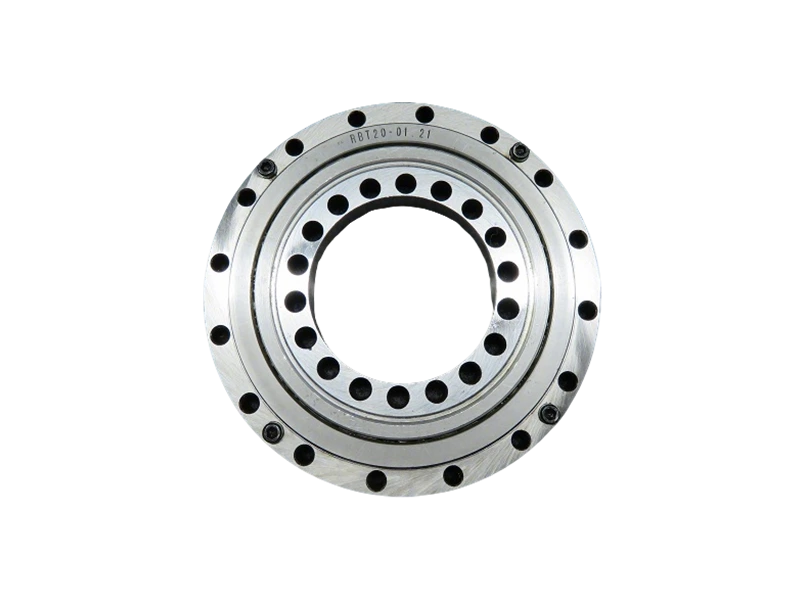
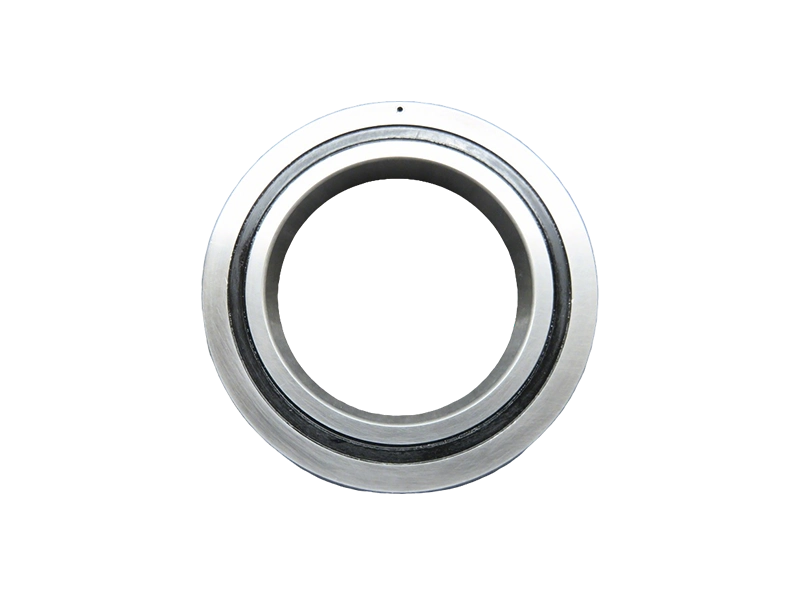
Прецизионные скрещенные роликоподшипники are essential components in applications requiring high rotational accuracy, жесткость, и возможность обрабатывать комбинированные нагрузки (радиальный, осевой, и момент). Their performance is defined by a series of accuracy grades, primarily specified by ISO standards.

Precision Crossed Roller Bearings ISO Accuracy Grades

Precision crossed roller bearings

The most common international standard for bearing accuracy is ISO 492, which classifies bearings into a series of grades. The higher the grade number, the tighter the tolerances and the higher the precision. For precision bearings, the key grades are:

П. (Normal): This is the most basic accuracy grade. While it’s suitable for general industrial applications where high precision is not a priority, it is generally not considered a “точность” grade.

P6: A higher precision grade than P0. It is often used for applications with a moderate need for accuracy, such as in standard machine tools and electric motors.

P5: This is the first true “точность” grade. It has a significantly tighter tolerance range than P6 and is a popular choice for high-precision equipment like the drive shafts of precision machine tools and some robotic joints.

Р4: А “super precisiongrade. P4 bearings have extremely stringent requirements for geometric and rotational accuracy. They are used in high-end applications like the spindles of precision grinders, jig boring machines, and measurement instruments.

П2: This is the highest and most precise grade, often referred to asultra-high precision.P2 bearings are used in highly specialized equipment where the utmost accuracy is required, such as in optical equipment, high-end measuring tools, and aerospace components.

Key Parameters that Define Accuracy Grade

Precision crossed roller bearings

The accuracy grade is a comprehensive classification that encompasses several critical dimensional and geometric tolerances:

More detailed information about the accuracy grades of precision crossed roller bearings can be found at:https://www.lynicebearings.com/a/blog/precision-crossed-roller-bearings-accuracy-grades.html

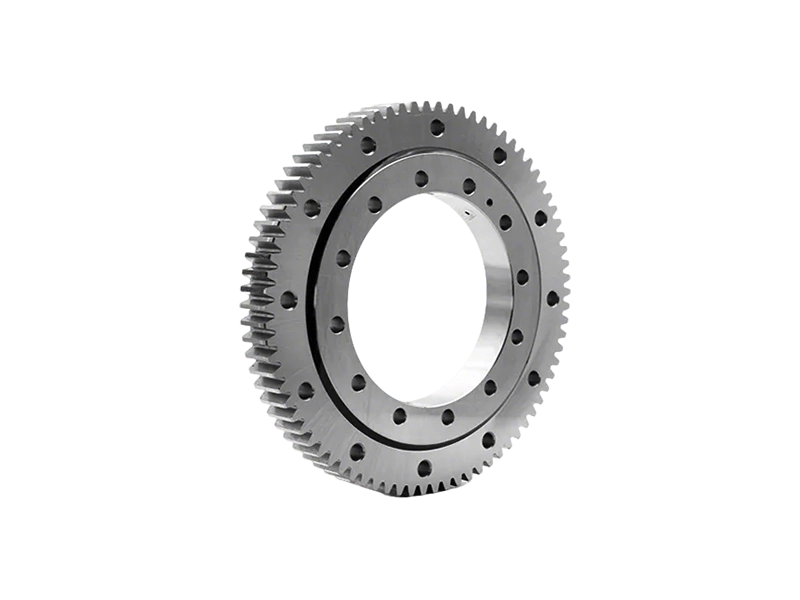
Customized slewing bearings are specifically designed and manufactured to meet the unique requirements of a particular application, rather than using a standard, off-the-shelf product. This approach is common in heavy machinery, renewable energy, медицинское оборудование, and other specialized industries where standard bearings simply won’t suffice.

Advantages of Customized Slewing Bearings

Slewing Bearings

The decision to opt for a customized slewing bearing is driven by several significant advantages that standard bearings cannot offer:

Optimized Performance:

Precise Load Capacity: Engineered to handle exact axial, радиальный, and moment loads specific to the application, preventing under- or over-engineering.

Tailored Speed & Точность: Designed for the exact rotational speed and positioning accuracy required, crucial for robotics, telescopes, or high-precision machinery.

Enhanced Stiffness: Can be optimized for specific stiffness requirements to minimize deflection and improve the overall stability of the machine.

Perfect Fit & Интеграция:

Exact Dimensions: Manufactured to precise size, mounting hole patterns, and internal/external features to seamlessly integrate with the surrounding machine structure.

Reduced Complexity: Can incorporate features (например, integrated gearing, специальные уплотнения, sensor mounting points) that reduce the need for additional components, simplifying assembly and reducing part count.

Космос & Weight Optimization: Allows for a compact design, saving valuable space and reducing overall machine weight, which is critical in mobile or aerospace applications.

Application-Specific Environmental Resistance:

Extreme Temperatures: Designed to operate reliably in very hot or very cold environments with appropriate material selection, смазка, and sealing.

Коррозионная стойкость: Use of specific materials (например, нержавеющая сталь, специализированные покрытия) for applications exposed to saltwater, химикаты, or other corrosive agents.

Contaminant Protection: Customized sealing solutions to protect against dust, грязь, воды, and other abrasives, extending bearing life in harsh environments.

For more information on the advantages and process of custom slewing bearings, пожалуйста, нажмите здесь:https://www.lynicebearings.com/a/blog/customized-slewing-bearings.html

Поворотные подшипники, также известный как поворотные кольца, are crucial components in heavy machinery. They allow for rotational movement while supporting significant axial, радиальный, и моментные нагрузки. Proper installation and maintenance are essential for their longevity and reliable operation. This guide covers the key steps for both.

Installation and Maintenance Guide for Slewing Bearings

Slewing Bearings

Установка

The installation process is critical for the bearing’s performance. Deviations can lead to premature failure.

1. Подготовка

Инспекция: Перед установкой, inspect the bearing for any damage, such as dents, ржавчина, or improper sealing.

Подготовка поверхности: Ensure that the mounting surfaces of both the machine’s structure and the slewing bearing are clean, плоский, и без заусенцев. The flatness of these surfaces directly impacts the load distribution on the bearing’s raceways. A non-flat surface can cause uneven loading and shorten the bearing’s life.

Bolt Holes: Clean the bolt holes of any debris or old sealant. This ensures that the bolts can be tightened correctly and securely.

2. Монтаж

Подъем: Use appropriate lifting equipment to move the bearing. Be careful to distribute the weight evenly to avoid distorting the bearing.

Placement: Gently lower the bearing onto the mounting surface. Make sure the bearing is correctly aligned with the bolt holes.

Securing: Install all bolts, but do not tighten them completely. Start by hand-tightening all bolts, then use a torque wrench to tighten them in a crisscross or star pattern. Follow the manufacturer’s specified torque sequence and values to ensure even pressure. Overtightening or improper tightening can deform the bearing and lead to failure.

More detailed information on slewing bearing installation and maintenance guidelines can be found at:https://www.lynicebearings.com/a/blog/installation-and-maintenance-guide-for-slewing-bearings.html

Jaw crushers are the workhorses of the crushing world, primarily designed for breaking down hard, абразивный, and tough materials. They are almost always used as primary crushers, meaning they take the largest, run-of-mine or run-of-quarry rock and break it into a more manageable size for secondary crushers.

Jaw Crusher Application Materials

Jaw crushers

Here is a breakdown of the main materials jaw crushers are used to crush, grouped by industry:

1. Quarrying and Construction Aggregates

This is the most common application. Jaw crushers are essential for producing the stone used in roads, buildings, and other infrastructure projects.

Гранит: Extremely hard and abrasive, a classic material for a jaw crusher.

Базальт: A hard, dense volcanic rock used extensively in asphalt and concrete.

Gabbro & Diorite: Similar hard igneous rocks.

Quartzite: One of the hardest and most abrasive rocks, which jaw crushers are specifically built to handle.

Известняк & Доломит: While less hard than granite, jaw crushers are frequently used as the primary breaker for large quarried blocks.

River Stone / Гравий: Hard, rounded, and often abrasive natural aggregates.

2. Mining Operations

In mining, the jaw crusher is the first step in comminution—the process of reducing the size of ore to liberate the valuable minerals from the waste rock.

Iron Ore: Crushing large chunks of ore like hematite and magnetite.

Copper Ore: Breaking down ores such as chalcopyrite and bornite.

Gold Ore: The initial crushing of hard rock ore before it goes to grinding mills.

Bauxite (Aluminum Ore): The primary crushing stage in aluminum production.Lead, Zinc, and Nickel Ores: Any hard rock ore that needs to be broken down for mineral processing.

For more detailed information about jaw crusher application materials, пожалуйста, нажмите здесь:https://www.yd-crusher.com/a/news/jaw-crusher-application-materials.html

А jaw crusher production line, also known as a stone crushing plant or aggregate production line, is an integrated system of machines designed to crush large rocks and raw materials into smaller, specified sizes for various applications like construction, road building, and concrete production.

The jaw crusher serves as the primary crusher in this line, meaning it performs the first and most heavy-duty stage of crushing.

Core Components and Process Flow

jaw crusher

The configuration follows the logical flow of material from large to small. Here are the essential components in order of operation:

1. Feeding Stage

Хоппер: A large, funnel-shaped container where raw material (like blasted rock from a quarry) is initially loaded by excavators or loaders. It acts as a temporary storage buffer.

Vibrating Feeder (or Grizzly Feeder): This is a critical piece of equipment positioned beneath the hopper. Its functions are twofold:

Regulates Flow: It uses vibration to provide a steady, controlled flow of material into the jaw crusher. This prevents the crusher from being overloaded (choked) or under-fed (running empty), ensuring maximum efficiency.

Предварительный отбор (Grizzly): Many feeders have agrizzlysection with parallel bars. This allows smaller rocks and soil that don’t need primary crushing to bypass the jaw crusher, reducing wear and tear and increasing overall capacity. This fine material is collected on a conveyor belt below.

2. Первичная стадия дробления

Зубодробилка, мордоворот: This is the heart of the primary stage. It crushes large rocks through compression. A fixed jaw plate and a moving (swing) jaw plate form a V-shaped crushing chamber. The moving jaw applies immense force, breaking the rock as it moves down the chamber until it is small enough to pass through the discharge opening at the bottom.

More detailed information about jaw crusher production line configuration can be found here:https://www.yd-crusher.com/a/news/jaw-crusher-production-line-configuration.html